
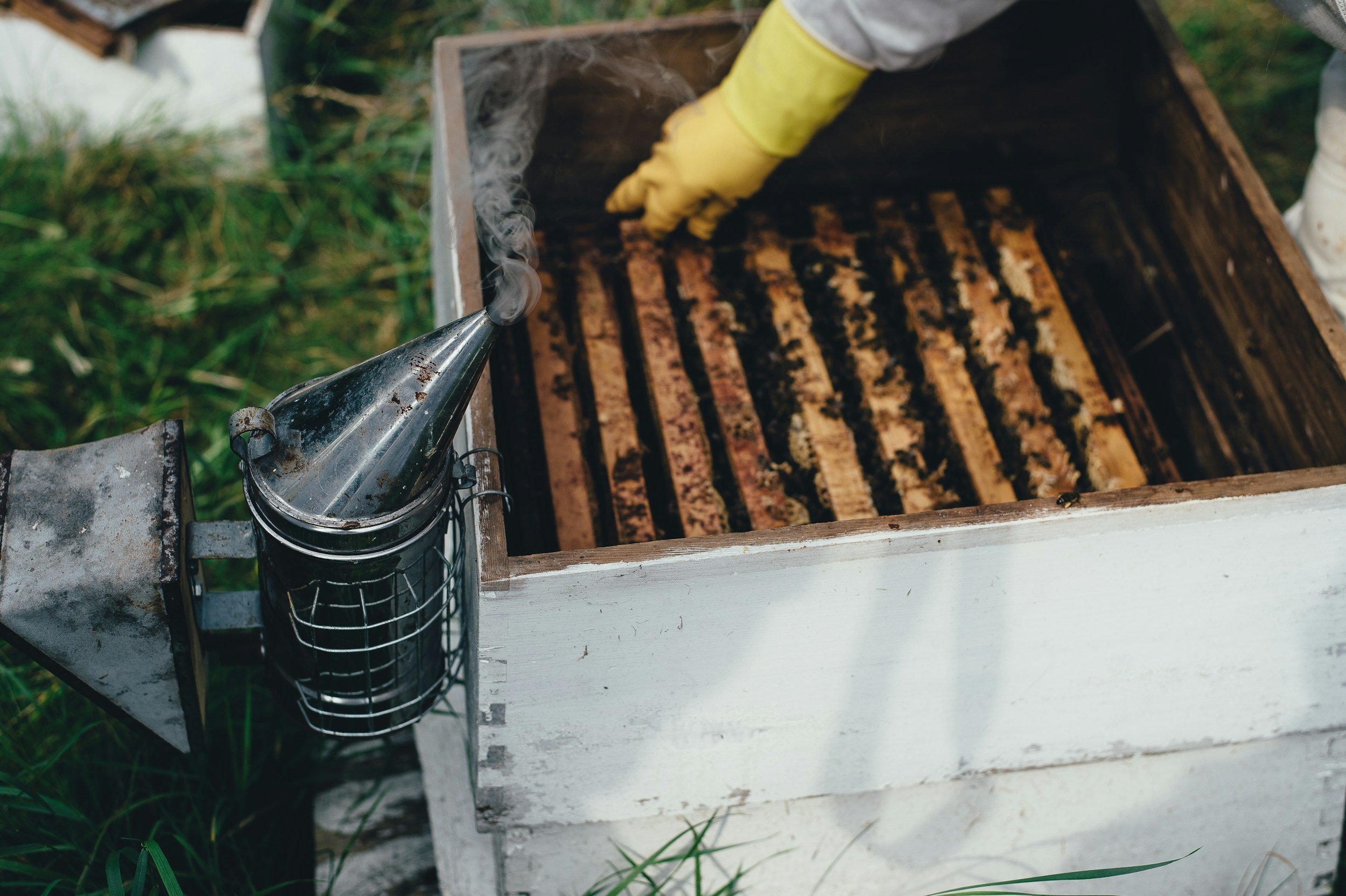

Steps to becoming a successful Beekeeper
Keeping bees can be a fascinating hobby with many benefits to you, your community, the planet, and the bees. Starting up can be summarized in a few steps:
Education
Location
Equipment
Bees!
Learn More about each below.
Education
Education is the most critical step to successful beekeeping and will significantly increase your chances of enjoying a long and happy relationship with your bees. A beginner class is invaluable for getting good basics and hands-on experience. Even longtime beekeepers are sometimes challenged by new issues and are learning throughout their time with the bees. Our association has a great mixture of beginners, hobbyists, and experienced beekeepers. There are so many different areas of knowledge that it can be daunting at first. Don’t despair; remember, there is no single right way to do things. Beware of people who claim to have it all figured out and tell you they have all the answers! There is a fair amount of misinformation, so consult multiple sources if possible.
Location
The location of your apiary can greatly affect your success. Some considerations are: sun and wind exposure, water availabiity, proximity to neighbors swimming pool and clothesline, drainage issues, access to vehicles. We highly recommend you take a class or consult an experienced Beekeeper in our club for advice before you get your bees.
Equipment
Equipment for the Traditional Langstroth style of beehive typically includes:
Bottom board: ( screened or not)
Top Cover: The Top Covers come in two styles: migratory tops and Telescoping tops.
Hive Bodies: They come in a few sizes, Deep, Medium, or Shallow. These refer to the height of the box. Some use a combination of one medium and one deep. Another variable for hive bodies is box width- see below (10 frame vs. 8 frame)
Frames, hold the foundation. Boxes contain either 8 or 10 of these.
Foundation: is placed in the frame (if used) and acts as a starting template for the bees to draw their honeycomb with the beeswax they produce from their own bodies. The foundation can be a whole sheet or a small strip of wax or plastic.
A Veil or full bee suit, Smoker, Hive tool, and other accessories will complete your inventory.
Bees
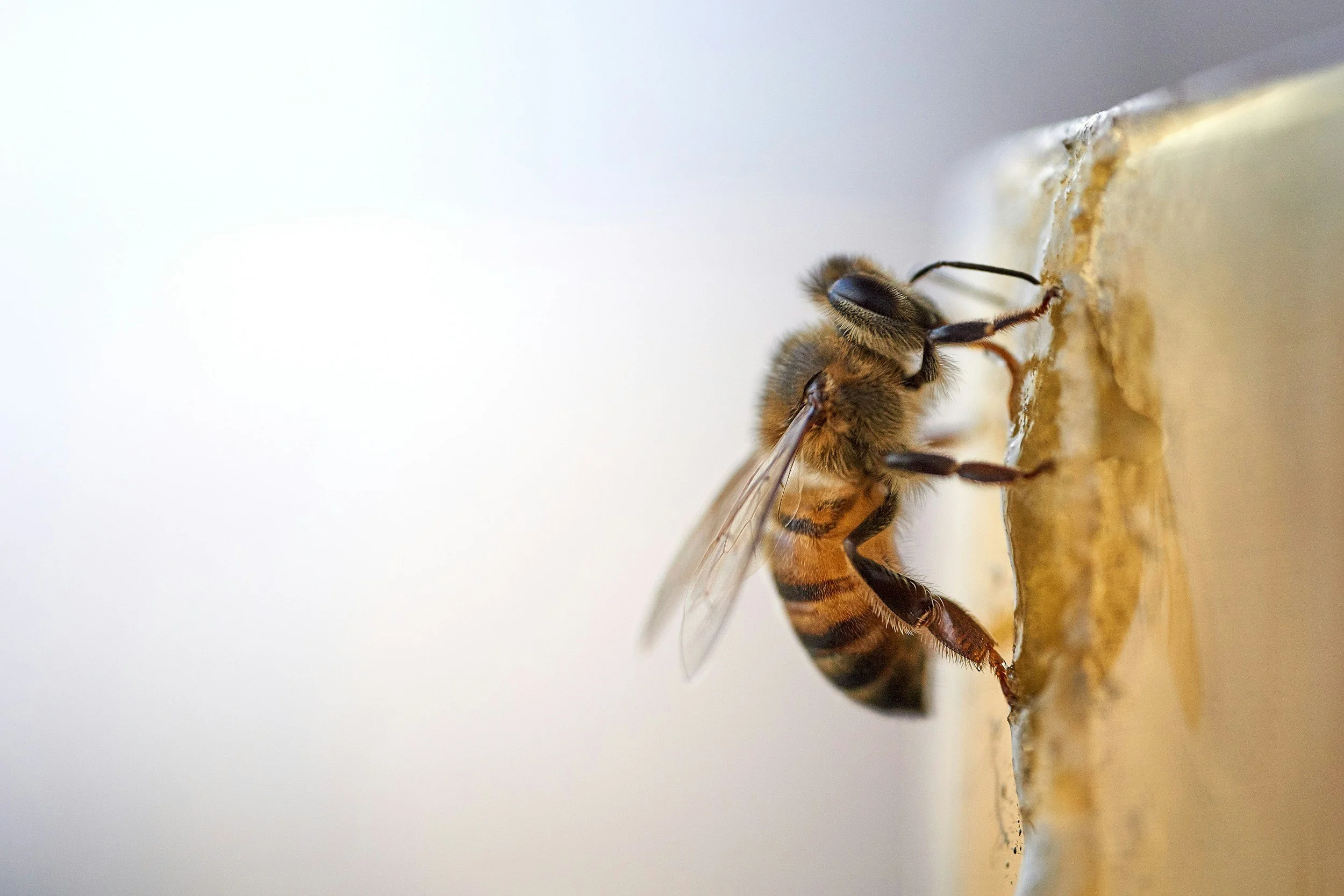
Bees! Now it is time to get the Bees! Catching a swarm is one way to populate your hive, but an established bee hive or small portion of a hive known as a “nucleus hive” or “nuc” can be purchased from local professional bee keepers. Alternatively, packages of bees can be purchased consisting of 2, 3 or even 4 pounds of bees and a queen, or, if you are lucky, a Beekeeper friend will give you some bees!
See our Resources page for where to buy bees locally.
More Ways to Learn
Classes
Please check the current Newsletter and our Facebook page for any available local beekeeping classes. Classes are usually held in the Spring.
Beginning Beekeeping
Planting for Bees
for Educators
NCBA has several members who are willing to come talk at classrooms or local meetings. Please contact us through the link below to request this service.
Bee Library
Books, Videos, and DVDs
The Club provides a library available to members for a one-time fee of only $5.75 as long as you are a member in good standing. The Nevada County Beekeepers Association library is located in the foyer of the building. Our Librarian is usually available before and after meetings to help club members find children's and adult books, DVDs, and videos on beekeeping. Stop by and browse the library!